A Beginner's Guide to Cigars: How to Choose, Cut, Light and Store Them
What to buy for your first cigar, how to cut and light it without ruining the wrapper, and how to keep the rest in decent condition. Written for UK smokers.
How do you choose, cut, light and smoke your first cigar?
Start with a mild-to-medium cigar in a small format — a petit corona or a short robusto, around 30 to 45 minutes. Cut 2 to 3mm off the closed end, just above the shoulder where the cap ends. Toast the foot with a butane flame before you draw on it. Then puff about once every minute, never inhaling into your lungs.
- Buy one mild-to-medium cigar in a small size before you buy a box of anything
- Cut just above the cap line: too deep and the wrapper unravels in your mouth
- Toast the foot first, then light it — a rushed light burns unevenly for the rest of the cigar
- Never inhale. Hold the smoke in your mouth, taste it, let it go
- One draw a minute. Puffing hard makes any cigar bitter, however good it is
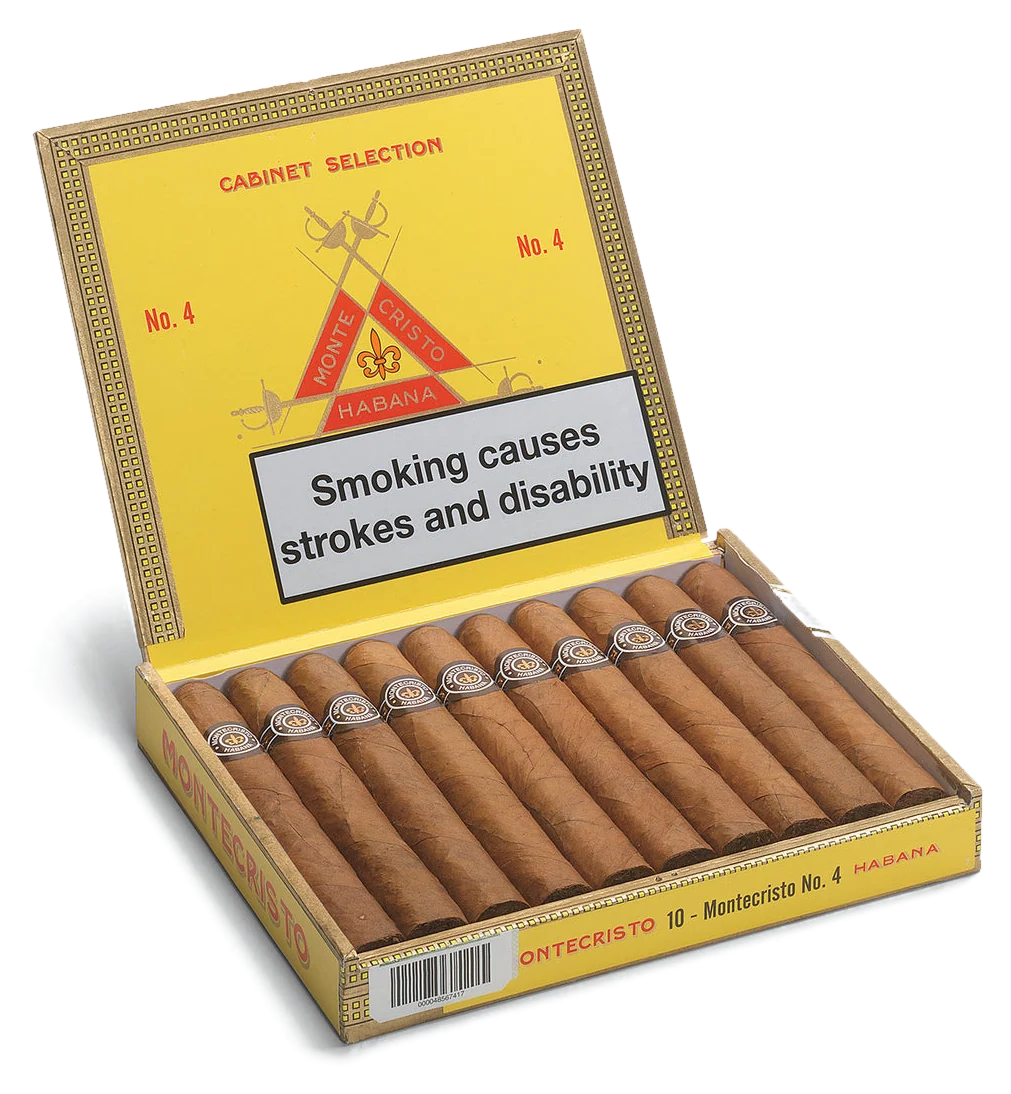
What to buy first
The most common mistake is starting too big and too strong. Someone buys a Churchill because it looks the part, spends ninety minutes on it, feels sick halfway through and decides cigars are not for them.
Two things to get right. Strength: look for mild to medium. Size: look for something you can finish in half an hour or so. A petit corona, a small robusto or a half corona is about right. The Cuban houses known for a lighter blend are Hoyo de Monterrey, Rafael González and H. Upmann. From the New World, Dominican cigars are generally gentler than Nicaraguan ones.
Buy one. Or buy a sampler with a few different things in it. There is no sense committing to a box of twenty-five before you know whether you like the blend, and a box you do not enjoy is an expensive reminder of that.
One more thing worth knowing: strength and flavour are not the same. A cigar can taste of a great deal and still be gentle. Wrapper shade is a rough guide — darker generally means sweeter and richer rather than stronger — but it is only a guide, not a rule.
How to cut a cigar
Look at the closed end. Most cigars have a cap: a small piece of wrapper leaf glued over the head to hold the whole thing together. There is a faint line where it ends, usually two or three millimetres down. That line is where you cut, or just above it.
Cut below it and you remove the thing holding the wrapper on. It will start to unravel while you smoke, which is not recoverable.
A guillotine cutter — a straight blade, single or double — is the default and works on almost everything. Put the head in, position it so you are taking off two to three millimetres, and cut in one decisive movement. Hesitating tears the leaf instead of slicing it.
A V-cutter takes a wedge out of the head instead of a disc. It gives a slightly more concentrated draw and leaves more of the cap intact, which some people prefer on thicker cigars.
A punch bores a round hole and leaves the cap almost entirely in place. It is neat and it travels well, but it does not work on a torpedo or any cigar with a pointed head.
For a torpedo or belicoso, cut a little off the tip and try the draw. You can always take more off. You cannot put it back.
How to light a cigar
What you light it with matters, because a cigar will pick up whatever you put near it. Butane is odourless and clean: a jet lighter, a soft-flame butane lighter, or a cedar spill lit from a candle are all fine. Long wooden matches work if you let the sulphur burn off first.
Do not use a petrol lighter. Lighter fluid taints the first third of the cigar and there is no fixing it once done. Scented candles are the same problem.
Light it in two stages. First, toast the foot: hold the flame just below the end without touching it, rotate the cigar, and let the heat dry and char the outer edge until it glows evenly all the way round. This takes fifteen or twenty seconds and it is the step most people skip.
Then put the cigar in your mouth, hold the flame near the foot again, and draw gently while turning it. Take the cigar out, look at the burning end, and check the glow is even across the whole face. If one side is lagging, touch it up now. An uneven light stays uneven and gets worse.
Blow gently on the lit foot to see it clearly. It should be an even orange ring, not a patchy one.
How to actually smoke it
You do not inhale a cigar. Cigar tobacco is fermented differently from cigarette tobacco and the smoke is alkaline, which means it is absorbed through the lining of the mouth rather than needing to reach the lungs. Draw the smoke into your mouth, hold it a moment, taste it, and let it out.
If you want more from it, try a retrohale: with the smoke in your mouth, push a small amount out through your nose. Most of what people describe as a cigar's flavour is picked up this way. Start with a very small amount. It is sharp the first few times.
Pace is the single thing that separates a good hour from a bad one. Roughly one draw a minute. A cigar smoked fast gets hot, and a hot cigar turns bitter and stays bitter. If the end starts to feel warm to the touch, put it down for a couple of minutes.
Let the ash build to two or three centimetres before you knock it off. A column of ash insulates the burning end and helps the cigar smoke cooler. Roll it gently against the side of an ashtray rather than tapping it like a cigarette.
Smoke it down to the last inch or so, or until it stops being pleasant, whichever comes first. Then leave it in the ashtray and let it go out on its own. Stubbing a cigar out makes a smell that stays in the room for hours.
Keeping the rest of them
If you buy more than one, you need somewhere to put them. The problem in Britain is not the weather outside, it is the weather indoors: central heating drops a living room to 25 or 30 per cent relative humidity, which is drier than most deserts. A cigar left out in that is noticeably worse within a week.
You do not need a humidor to begin with. An airtight food container with a 69 per cent Boveda pack in it will hold a handful of cigars in good order for months and costs a fraction of the price. People call this a tupperdor and it works perfectly well.
If you get further into it and start keeping boxes, then a Spanish cedar humidor earns its place. Season it before you use it, keep it between 65 and 69 per cent, and keep it away from radiators and direct sun.
There is a full guide to storing cigars through a British winter if you want the detail.